

- Details
- Written by: Kennuminati
- Category: Paganism
- Read Time: 4 mins
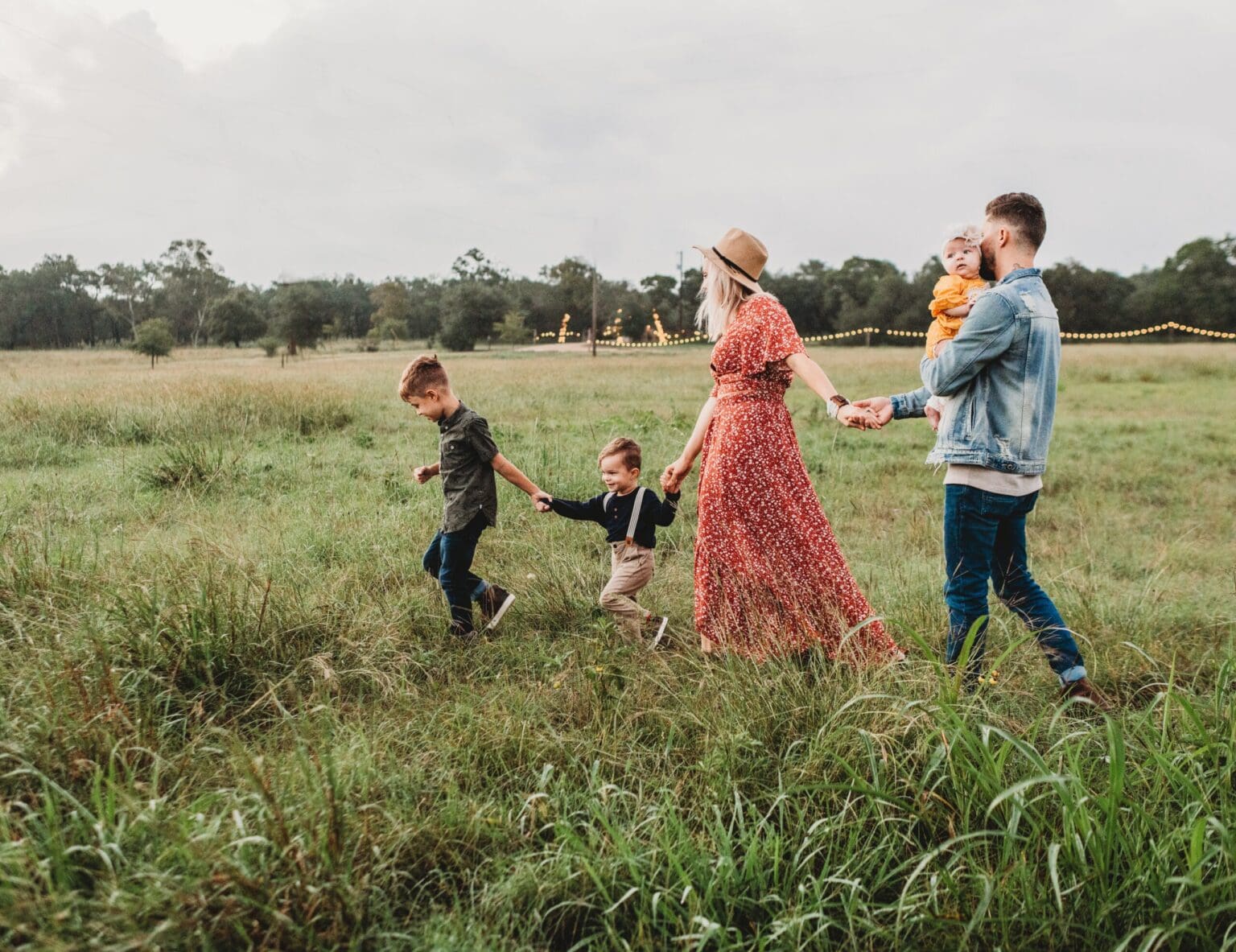
Today, I mentioned to someone that heathenry was very family-oriented, without providing any additional details. Subsequently, I thought about the phrase "family-oriented" and how it is generally used. A television show that doesn't go overboard with profanity or sexual innuendo is sometimes considered "family oriented." Restaurants that welcome kids and don't have bars are "family oriented." By saying that heathenry is "family oriented," I could just be saying that we don't dance naked every time we get together for a holiday.
- Hits: 4
- Details
- Written by: Kennuminati
- Category: Paganism
- Read Time: 9 mins
The second part of this trifecta has been a while in coming for a number of reasons, including (but not limited to!) the demands of work, my social life, and a handful of other things. Among these, not the least of which is the complexity of the topic.
As described by Grønbech, honor is bound inextricably with blood vengeance. That is something from which we modern Americans, for the most part, are wholly removed. We have the good fortune of living in a place and time in which most of us will never suffer from something for which blood vengeance would be required. And for many of us, even if we did, the laws of our society would prevent us from carrying out that which we might consider doing.
- Hits: 5
- Details
- Written by: Kennuminati
- Category: Paganism
- Read Time: 6 mins
"We find here a community based upon general unity, mutual self-sacrifice and self-denial, and the social spirit. A society, in which every individual, from birth to death, was bound by consideration for his neighbour. The individuals in this community show in all their doings that they are inspired by one passion: the welfare and honour of their kin; and none of the temptations of the world can move them even for a moment to glance aside."
Frith is an Old English word meaning "peace; freedom from molestation, protection; safety, security".
Derived from Old English friðu, friþ, it is cognate to Old Norse friðr, Old High German fridu, German Friede, Dutch vrede, West Frisian frede, Icelandic friður, Common Scandinavian fred (all with meanings similar to "peace" or "calm") and is also a root-cognate to "friend".
- Hits: 5
- Details
- Written by: Kennuminati
- Category: Paganism
- Read Time: 8 mins
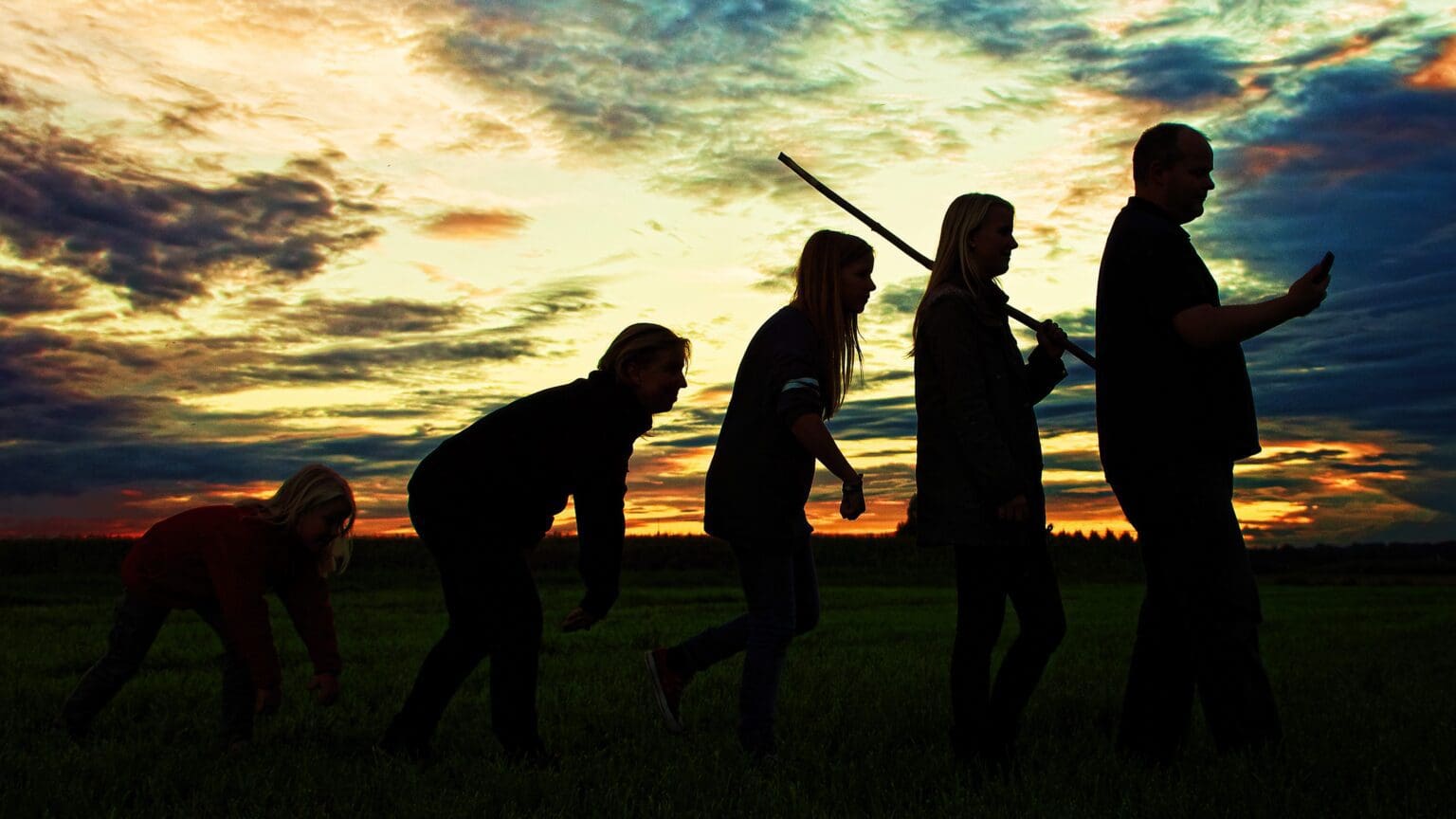
"When the sons of Borr were walking along the sea-strand, they found two trees, and took up the trees and shaped men of them: the first (Óðinn) gave them spirit and life; the second (Vili), wit and feeling; the third (Vé), form, speech, hearing, and sight. They gave them clothing and names: the male was called Askr, and the female Embla, and of them was mankind begotten, which received a dwelling-place under Midgard. … For this reason must he (Óðinn) be called ‘Allfather': because he is father of all the gods and of men." -Snorri Sturluson, The Prose Edda
I lunch regularly with my childhood friend Tony, now a rather successful Baptist pastor. We speak freely one with another about our beliefs (or lack thereof) and one day he asked me where I believed that I "came from".
- Hits: 5

- Details
- Written by: Kennuminati
- Category: Paganism
- Read Time: 2 mins
Vilhelm Peter Grønbech (14 June 1873 – 21 April 1948), Danish cultural historian and professor of the history of religion at the University of Copenhagen, made one of the greatest contributions to heathenry old and new with his seminal work, The Culture of the Teutons. This four-volume masterwork seems to me required reading for all modern heathens. While it deals in small amounts with the "religion" of the Germanic tribes, it is for the most part the story of how the lived, thought, and behaved.
One of the oldest and most prominent of east coast kindreds in the U.S., Raven Kindred North, uses "Frith, Honor, and Luck" as its motto, and I feel it appropriate to give a nod to them whenever I use the three terms together (something I am wont to do). These are the first three major concepts dealt with by Grønbech in The Culture of the Teutons, and there is – at least to me – a sense that these are the foundation upon which all else in the heathen worldview is constructed.
Drawing heavily upon Grønbech's own words and a few other sources, I'll do my best to explain these fundamental aspects of the heathen worldview. (Wikipedia handles the topic rather nicely so I'm borrowing from them, too.)
- Hits: 3